How Can UK SMEs Prepare for Future Sustainability Regulations?
In October 2025, British Business Bank reported that more than a third of UK SMEs are putting an emphasis on sustainability action – but, across both large businesses and SMEs, 70% stated that regulatory uncertainty was preventing progress.
For now, most current sustainability reporting obligations are threshold-based and don’t apply to SMEs. For instance, in September 2026, the Financial Conduct Authority published new sustainability reporting rules for qualifying listed companies, aligned with the UK Sustainability Reporting Standards (UK SRS), derived from the ISSB.
While this doesn’t impact private UK companies yet, the government is considering how these standards could apply to larger private companies in the future, which means that the effects trickle up the supply chain and that, ultimately, demonstrating carbon credentials will become more commonplace even for those who are outside the scope. And, for some SMEs, existing standards like the Energy Savings Opportunity Scheme (ESOS) already apply.
If there’s one thing the last few years have taught us about the expectations the UK holds for sustainability initiatives across the private sector, however, it’s that keeping pace with the latest changes is incredibly difficult and, at times, frustrating. For that reason, a lot of business owners are choosing to shift focus from ‘what should I be doing right now?’ to ‘how can I consistently move in the right direction?’
After all, while there are a lot of uncertainties surrounding what exactly we will be required to provide, report on, or commit to, we are all certain about what changes and technologies will get us there.
What Should Future Proofing Look Like to Smaller Businesses?
Future proofing isn’t a case of waiting until the roadmap forward is completely clear, then investing in the necessary changes and sustainable technologies just enough to meet those targets. Not only does that mean you’ll be caught-up in the rush of other businesses trying to implement changes before the deadline, but it also means you’re not primed to follow the regulations as they continue to tighten up into the future.
We know by now that the UK is going to expect more and more from its private sector in terms of carbon emissions reporting and reduction. While the past few years have felt a little disorganised in terms of the plan moving forward, there’s no doubt surrounding the ultimate aim: to edge closer and closer toward carbon neutrality.
For that reason, genuine future proofing should come first, and regulatory adherence should be a natural byproduct of that future proofing.
That way, you needn’t feel dragged along by change – or confused by the back-and-forth over what the next milestone will be.
Think About Electrical Infrastructure Changes
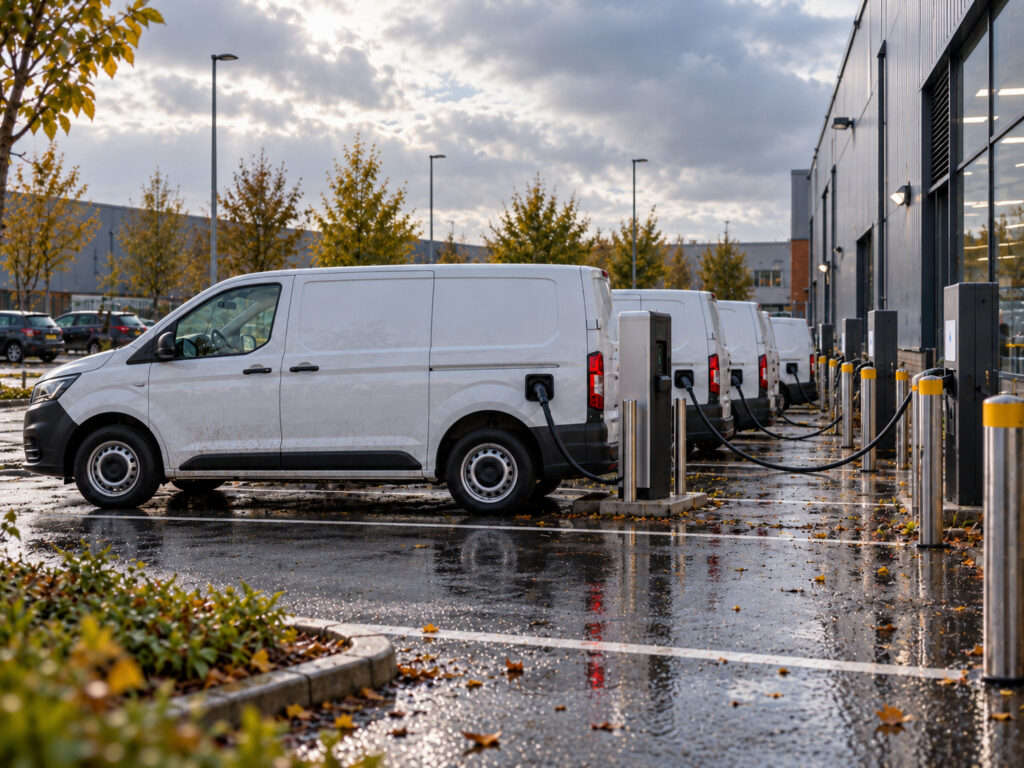
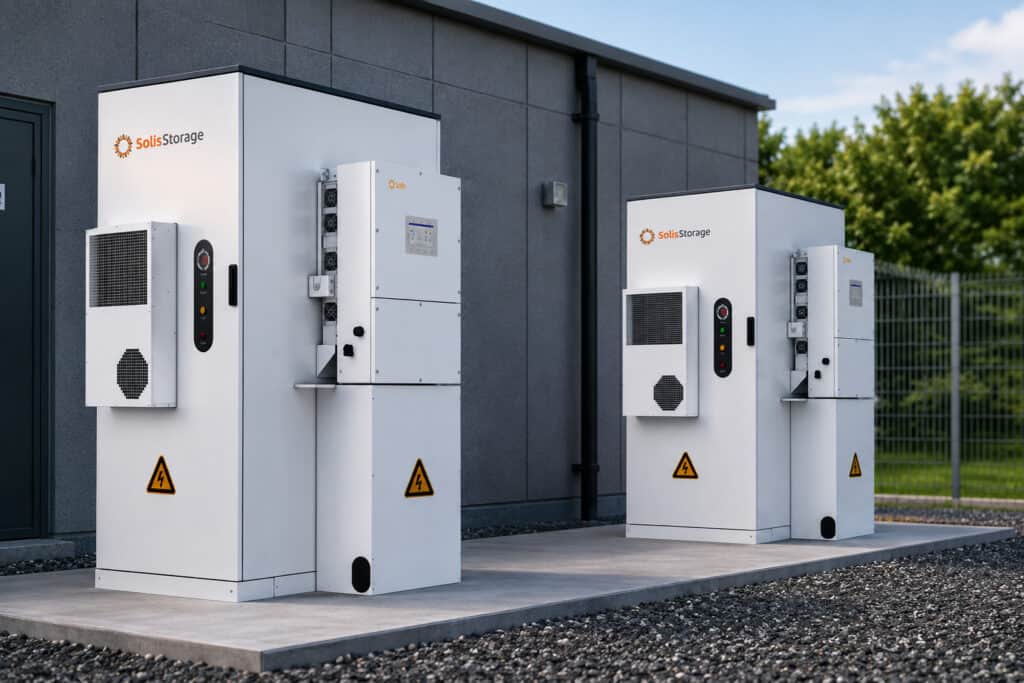
Working with commercial sites, we need to identify the demands the site currently places on its electrical infrastructure, but also assess future demand across the foreseeable future. If a company is looking to install on-site charging stations sufficient to keep an entire fleet on the road, for instance, then this plan should be accounted for within the design of a commercial solar system, even if the solar system is first to be rolled out.
At GSM, this is something we specialize in: working with the needs of the business, and designing fully integrated systems that support your ongoing efforts to reduce climate footprint and bring the business closer to neutrality. This sort of forward planning is far easier to manage if you’re not scrambling to keep up with a newly announced regulation that, this time, does apply to you.
Future Proofing for a Competitive Advantage
Businesses who demonstrate a genuine commitment to reducing their carbon footprint sooner rather than later will likely experience a real advantage in the future.
By the time regulations apply to them, they may just be reaching the end of their payback period on major installations like solar, which means they could already be benefiting from reduced energy bills, with even greater savings once the installation has paid for itself. Meanwhile, many other businesses may only just be making a significant (and, perhaps, unplanned) investment into theirs.
Since there is little doubt about the form SMEs across the country will be expected to take over the next decade or so – and since we know that these changes benefit the business itself in the long-term – the path forward seems clear, even if the regulations aren’t.